
Spay & Neuter Services in Mississauga
Safe, professional surgical care that supports your pet’s long-term health and wellbeing. As your trusted Mississauga spay and neuter clinic, Dixie Animal Hospital performs every procedure with precision, compassion, and modern anesthesia monitoring. Whether you’re searching for a spay and neuter clinic Mississauga or want to understand the services offered by Mississauga spay and neuter clinic, our team provides complete guidance and care.
Understanding Spay and Neuter: What’s the Difference?
The difference between spay and neuter is straightforward. Spaying (ovariohysterectomy) is the surgical removal of a female pet’s ovaries and uterus, permanently preventing heat cycles, pregnancy, and related hormonal conditions. Neutering (castration) is the surgical removal of a male pet’s testicles, eliminating reproduction capability and reducing hormone-driven behaviors.
Whether you’re comparing spay vs neuter or neuter vs spay, both procedures deliver comparable health and behavioral benefits — and both are performed under safe general anesthesia with careful monitoring at our clinic.
Health Benefits of Spaying and Neutering
Spay and neuter surgery provides far more than population control. The medical benefits are significant:
- For females: Eliminates the risk of pyometra (life-threatening uterine infections), greatly reduces mammary tumor risk (especially when spayed before the first heat), and prevents ovarian and uterine cancers.
- For males: Eliminates testicular cancer risk, reduces prostate disease including enlargement and infection, and decreases perianal tumors.
- Behavioral benefits: Reduces roaming, territorial marking, mounting, and inter-animal aggression — making pets safer and more comfortable companions.
When to Spay or Neuter Your Pet
We generally recommend spaying and neutering between 4–6 months of age, though the ideal timing may vary based on breed, size, and health status. Large breed dogs may benefit from slightly delayed surgery based on orthopedic development research. Our veterinarians discuss the optimal timing for your individual pet during their preventive care in Mississauga visit, considering all relevant factors.
What Happens Before Surgery
Every spay and neuter patient at Dixie Animal Hospital receives a thorough pre-surgical examination and diagnostic bloodwork to confirm they are healthy for anesthesia. We review your pet’s medical history, discuss the procedure step by step, provide pre-operative instructions including fasting guidelines, and answer all your questions — so you feel confident and informed before surgery day.
During the Procedure: Safety and Monitoring
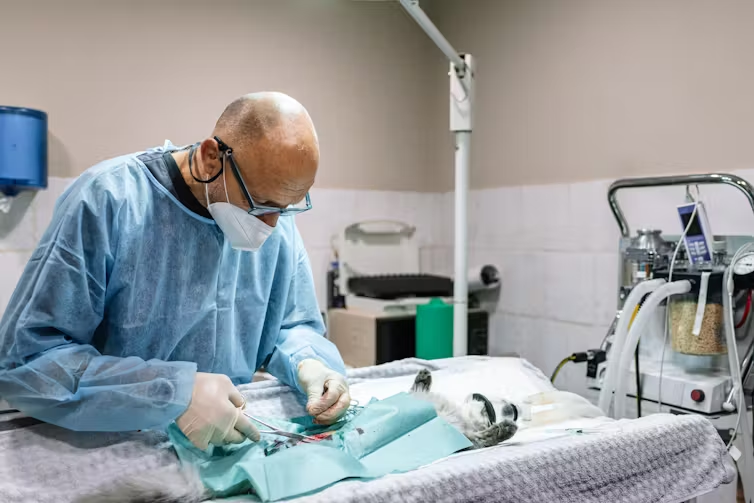
Our veterinary surgeons perform spay and neuter procedures in a fully equipped, sterile pet surgery suite. Throughout the operation, registered technicians continuously monitor heart rate, blood pressure, oxygen saturation, and body temperature using multiparameter equipment. We administer appropriate pain management before, during, and after surgery to ensure your pet’s maximum comfort.
Recovery and Post-Operative Care
Most spay and neuter patients recover quickly and return home the same day. Before discharge, our team provides comprehensive instructions covering incision site care, activity restrictions (typically 10–14 days of limited activity), medication schedules, and what signs to watch for that would warrant a callback. We schedule follow-up appointments to check healing and remove sutures if non-dissolvable types were used.
We also provide nutritional guidance for the recovery period, as metabolic changes after spaying or neutering may require dietary adjustments to prevent weight gain.
Combining Spay/Neuter with Other Services
Many pet owners choose to combine their pet’s spay or neuter procedure with other services for convenience — including vaccinations and microchipping. Our team coordinates these services so your pet requires fewer visits while receiving complete care.
Common Myths About Spaying and Neutering
There are several misconceptions that can delay this important procedure. Some pet owners believe their female pet should have one litter before being spayed — veterinary research shows no health benefit to this and in fact spaying before the first heat provides the greatest protection against mammary cancer. Others worry that spaying or neutering will make their pet overweight — while metabolism may shift slightly, weight gain is managed through appropriate diet and exercise rather than avoiding the procedure. Our veterinarians address all concerns during your consultation to help you make a fully informed decision.
Contributing to Responsible Pet Ownership
Beyond individual health benefits, spaying and neutering plays a vital role in reducing pet overpopulation. Thousands of unwanted animals enter shelters across Ontario every year, and many never find permanent homes. By choosing to spay or neuter your pet at our Mississauga clinic, you’re helping reduce this burden while giving your own companion a healthier, longer, and more comfortable life.
Questions? We’re Here to Help
We understand that deciding to spay or neuter your pet involves many questions — about timing, the procedure itself, recovery expectations, and long-term effects. Our veterinarians welcome these conversations and take the time to address every concern thoroughly. During your consultation, we explain the surgical process step by step, discuss your pet’s individual health factors, and provide clear guidance so you can make the best decision for your family and your companion with complete confidence.
Frequently Asked Questions
What services are offered by Mississauga spay and neuter clinic at Dixie Veterinary Hospital?
The services offered by our Mississauga spay and neuter clinic include routine spaying for female dogs and cats, neutering for males, pre-surgical bloodwork, modern anesthesia monitoring, pain management protocols, and comprehensive post-operative care. Our Dixie Veterinary Hospital team performs every pet spay and neuter procedure in a fully-equipped surgical suite, ensuring your companion’s safety and comfort.
What is the difference between spay and neuter?
The difference between spay and neuter is gender-based: spaying (ovariohysterectomy) removes a female pet’s ovaries and uterus, preventing heat cycles and pregnancy, while neutering (castration) removes a male’s testicles, preventing reproduction and reducing hormone-driven behaviors. Both pet spay and neuter procedures offer significant health benefits including elimination of reproductive cancer risks and reduced behavioral issues.
Why should I choose your spay neuter clinic near me?
Our spay neuter clinic near me at Dixie Veterinary Hospital offers experienced veterinarians who have performed thousands of successful procedures, advanced diagnostic capabilities including pre-surgical bloodwork, modern anesthesia monitoring, and a compassionate team dedicated to making your pet’s surgical experience positive — with comprehensive care from consultation through complete recovery.
Is your animal spay neuter clinic an affordable option?
Yes, our animal spay neuter clinic provides competitive pricing while maintaining the highest surgical care standards. We offer transparent cost discussions before any procedure, accept pet insurance including Petcard and Trupanion, and provide clear explanations of what’s included — anesthesia, monitoring, pain medication, and follow-up care. Our vet near me Mississauga believes accessible care shouldn’t sacrifice quality.
What happens before surgery at your neuter and spay clinics near me?
Before surgery at our neuter and spay clinic, we conduct a thorough pre-surgical examination and bloodwork to confirm your pet is healthy for anesthesia. Our veterinarians provide detailed pre-operative instructions including fasting guidelines, medication protocols, and what to expect on surgery day, ensuring you feel informed and confident about the procedure and your pet’s recovery timeline.
How does your vet near me Mississauga ensure surgical safety?
Your vet near me Mississauga prioritizes safety through pre-operative bloodwork, modern anesthesia monitoring tracking heart rate, blood pressure, oxygen, and temperature, plus experienced technicians providing dedicated attention. Every pet spay and neuter procedure follows strict sterile techniques within our fully equipped surgical suite with appropriate pain management protocols throughout the operation.
What post-operative care is provided at your spay neuter clinic near me?
Post-operative care at our spay neuter clinic includes comprehensive discharge instructions covering incision care, activity restrictions, and signs to watch for, appropriate pain medications, follow-up check-ins to monitor healing, and suture removal appointments if needed. Our microchipping service can also be scheduled during follow-up visits for permanent identification.
What are the health benefits of pet spay and neuter surgery?
Pet spay and neuter surgery provides significant health benefits: spaying eliminates uterine infection risk and greatly reduces mammary tumors, while neutering eliminates testicular cancer and reduces prostate problems. These procedures also decrease roaming, marking, and aggression. Our veterinary team recommends early surgery as part of comprehensive lifelong pet care, typically between 4–6 months of age.