
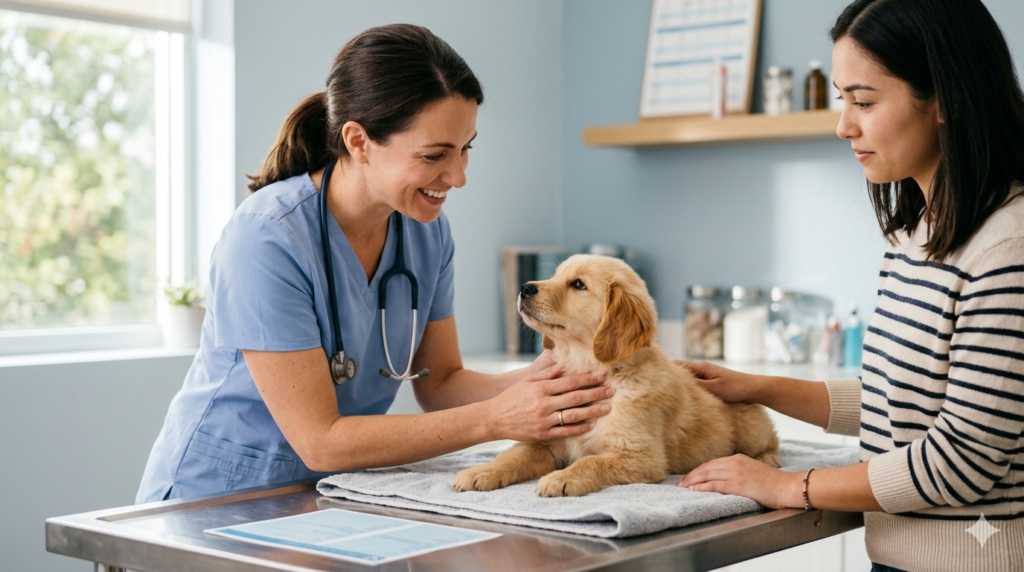
Bringing a pet home for the first time is exciting — and a little overwhelming. Between figuring out food brands, sleeping arrangements, and the right toys, scheduling that very first appointment with a veterinarian often becomes the most underestimated step. Your first vet visit is not just a formality. It is where your pet’s medical baseline gets established, where preventive care begins, and where you, as the owner, learn what to watch for over the coming years. At Dixie Animal Hospital Mississauga, new pet families go through this process every week, and the pattern of questions, worries, and surprises tends to be remarkably consistent.
Why the First Vet Visit Matters More Than People Realize
A lot of new owners assume the first vet visit is mainly about vaccines. It is not. The first appointment is the foundation of every conversation, treatment plan, and emergency call that follows. According to the American Veterinary Medical Association, pets that receive consistent veterinary care from a young age have measurably better long-term health outcomes than those who only see a vet when something has already gone wrong.
This is the visit where your veterinarian gets to meet a healthy version of your pet. They document weight, temperature, coat condition, heart rate, dental status, and behavioural patterns — all data that becomes invaluable months or years later when something seems “off.” Without that baseline, future diagnoses lean on guesswork.
It is also the appointment where you, the owner, evaluate the clinic. Do you feel rushed? Are questions answered patiently? Does the staff seem genuinely interested in your animal as an individual? Those details matter far more than waiting-room décor. A practical breakdown of how to assess a clinic is covered in this guide on finding a trustworthy Dixie vet clinic.
Preparing for Your First Vet Appointment Process
The appointment process starts well before you walk through the clinic door. Most issues new owners run into at a first visit — missing records, forgotten medications, anxious pets, rushed conversations — can be prevented with about fifteen minutes of preparation.
Vet Clinic Booking and Scheduling
Most clinics now accept both phone and online bookings. When you call to book a pet appointment in Mississauga, have the following information ready: your pet’s species, breed, age (or estimated age for rescues), gender, prior vaccination records, and a short note about the reason for the visit. If you adopted from a shelter or rescue, the adoption paperwork almost always contains medical history — bring it, even if it looks incomplete.
Try to book during a quieter slot if your schedule allows it. Less hectic appointment windows generally mean more time with the veterinarian and less waiting-room stress for your pet — particularly useful for anxious dogs or cats unaccustomed to carriers.
What to Bring to the Appointment
A short checklist saves time and prevents follow-up phone calls:
- Any existing medical records, including microchip details
- Current medications in their original packaging
- A fresh stool sample if the clinic requested one (helps screen for intestinal parasites)
- A written list of questions or behaviour changes you have noticed
- Pet insurance information, if applicable
- A sturdy carrier for cats and small animals; a properly fitted leash and collar for dogs
What Happens During a New Pet Vet Checkup
The actual exam follows a fairly predictable sequence, though every clinic adds its own touches. Knowing what is coming helps you stay calm — and a calm owner produces a calmer pet.
Initial Intake and History Review
A veterinary technician usually starts by recording your pet’s weight, temperature, and vital signs. They will ask about diet, energy levels, bathroom habits, water consumption, and any behaviours that concern you. Honesty matters here. If your dog has been chewing furniture or your cat has been hiding more than usual, mention it. Subtle behavioural shifts often hint at underlying medical issues that are easier to address early.
The Hands-On Physical Examination
The veterinarian conducts a head-to-tail exam. This typically includes:
- Eye, ear, and oral inspection — looking for discharge, redness, dental tartar, gum colour, and ulcers
- Heart and lung auscultation through a stethoscope to check for murmurs, arrhythmias, or breathing abnormalities
- Abdominal palpation to assess organ size and detect any unusual masses
- Joint mobility checks and skin and coat assessment for parasites, lumps, or hot spots
- Lymph node examination for swelling that might indicate infection or other concerns
A thorough exam takes roughly fifteen to twenty minutes and remains the single most important diagnostic tool in routine veterinary medicine. It is where the real value of a comprehensive pet wellness exam becomes obvious — most early-stage problems are caught here, not in the lab.
Vaccinations and Preventive Care Discussion
After the physical exam, your veterinarian will walk through a vaccination plan. Core vaccines for dogs typically include rabies, distemper, parvovirus, and adenovirus; for cats, rabies, panleukopenia, and the viral rhinotracheitis-calicivirus combination. Non-core vaccines depend on lifestyle — outdoor exposure, boarding, contact with other animals, and travel.
This is also when parasite prevention comes up. The Canadian Veterinary Medical Association recommends year-round protection against fleas, ticks, and heartworm across most Canadian climates, including the Greater Toronto Area. A well-planned vaccination and parasite prevention schedule prevents the majority of infectious diseases that used to be routinely fatal in pets a generation ago.
Diagnostics and Bloodwork
For young, apparently healthy pets, baseline bloodwork may be optional but is frequently recommended. It catches early kidney or liver issues, identifies thyroid imbalances, and confirms heartworm and tick-borne disease status before symptoms appear. For senior pets, bloodwork is typically standard at every visit, regardless of how well they seem to be doing.
Pet Checkup Guide by Life Stage
Not every first visit looks the same. The age and life stage of your pet shape the entire conversation.
Puppies and Kittens
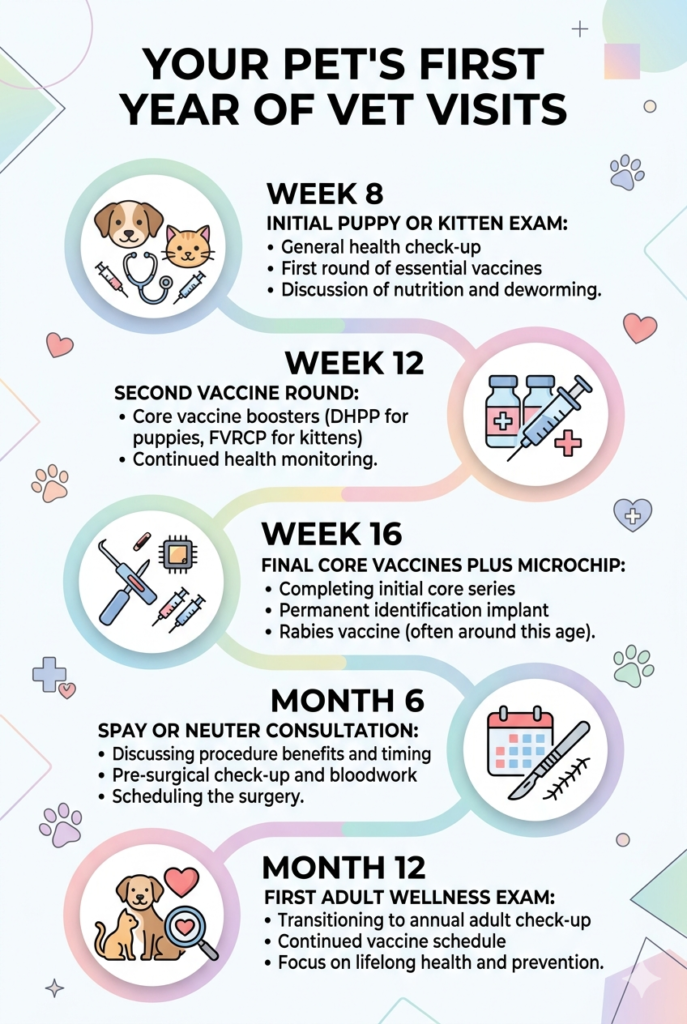
Expect multiple visits in the first few months. A complete vaccination series usually requires three to four appointments, spaced roughly three to four weeks apart, finishing around sixteen weeks of age. This stretch is also when deworming, microchipping, nutrition counselling, and discussions around spay or neuter timing happen.
Adult Pets
For an adult pet new to a clinic, the focus shifts to establishing a baseline. The veterinarian will review prior records, update any overdue vaccines, and likely recommend a full physical plus bloodwork to confirm general health. According to the American Animal Hospital Association, dental disease is present in over two-thirds of adult dogs and cats — and is often first noticed during this kind of new-patient exam.
Senior Pets
Older pets need a more thorough, slower-paced approach. The team behind our senior pet care services recommends biannual exams rather than annual ones, because age-related conditions like kidney disease, arthritis, hypothyroidism, and cognitive decline progress quickly. Bloodwork, urinalysis, blood pressure checks, and joint mobility assessments are standard.
Recognizing Urgent Pet Symptoms vs. Routine Concerns
Part of what a first visit accomplishes is teaching new owners what to act on quickly. Most concerns can wait for a regularly scheduled appointment. A handful cannot.
Symptoms that warrant a call right away include difficulty breathing, repeated vomiting, severe lethargy, sudden collapse, suspected toxin ingestion, inability to urinate, seizures, and any uncontrolled bleeding. These are the kinds of urgent pet symptoms that need same-day evaluation rather than next-week scheduling.
By contrast, a single episode of mild vomiting after eating grass, a small scratch, or one day of slightly reduced appetite usually is not an emergency — though it is still worth noting in your records and mentioning at the next visit. Patterns matter far more than isolated incidents. A pet that has had three “off” days in a row deserves a phone call, even if no single day seemed dramatic.
New Pet Vet Tips for a Stress-Free First Experience
A few practical habits make the first appointment dramatically easier:
- Acclimate your pet to the carrier or car ride in the days leading up to the visit. Short, calm trips that do not end at the clinic help break the carrier–stress association.
- Skip the heavy meal beforehand. A light meal a few hours before is fine; a full stomach right before the visit increases nausea risk and complicates any same-day bloodwork.
- Bring a familiar blanket or toy. Familiar scents help anxious pets settle more quickly in an unfamiliar exam room.
- Stay calm yourself. Animals read human stress instantly. A relaxed owner produces a measurably calmer pet.
- Take notes during the appointment or ask the technician to email a summary afterward. You will forget more than you think.
Case Study: A Mississauga Family’s First Visit
A family in Mississauga adopted a one-year-old rescue dog named Mocha. They booked her first appointment at our veterinarian in Mississauga clinic without much idea of what to expect. During the initial exam, the veterinarian noticed mild dental tartar, a slightly elevated resting heart rate, and faint skin irritation behind both ears.
Routine baseline bloodwork came back showing borderline thyroid markers. Because that data was documented at the first visit, follow-up testing six months later confirmed early-stage hypothyroidism — a condition that is easily managed with daily medication but often goes undetected for years in dogs with vague, on-and-off symptoms. Mocha is now thriving on a simple treatment plan.
What stood out most to the family, in their words, was that the veterinarian explained every finding in plain language and never rushed through the appointment. That is exactly what a first visit should feel like. Reviewers across Google have echoed a similar theme — phrases like “never felt pressured into testing” and “the team actually followed up to ask how our dog was doing” show up regularly in the clinic’s review history.
Comparison: First Visit vs. Routine Follow-up Appointments
| Element | First Vet Visit | Routine Follow-up |
|---|---|---|
| Duration | Roughly 45–60 minutes | Roughly 20–30 minutes |
| History review | Comprehensive intake from scratch | Updates only |
| Physical exam | Full head-to-toe baseline | Targeted check |
| Bloodwork | Often recommended | As clinically indicated |
| Vaccinations | Initial protocol or catch-up plan | Boosters per schedule |
| Owner education | Extensive, foundational | Focused on changes |
| Records created | New chart, microchip, profile | Appended notes |
Frequently Asked Questions
-
How long does a typical first vet visit take?
Plan for around forty-five minutes to an hour. The veterinarian needs time to review your pet’s history, perform a thorough physical exam, discuss vaccinations and preventive care, answer questions, and document everything in a new chart. Rushed first appointments tend to miss important details, so do not be alarmed if it runs longer than a routine follow-up. The extra time invested at the start saves countless hours and dollars across the years of care that follow.
-
Should I take my pet to the vet right after adoption?
Yes — ideally within the first week. Even if your pet seems healthy and arrived with paperwork, a fresh exam confirms vaccination status, identifies parasites or skin issues, and establishes a relationship with the clinic before any urgent situation arises. Most shelters and rescues actively recommend a follow-up exam within seven to ten days of adoption to catch anything that might have been missed during the initial shelter intake.
-
What if my pet is extremely anxious about visiting the vet?
Anxious pets are common, and well-run clinics expect it. Bring familiar items, request a quieter exam room if one is available, and ask whether the team uses low-stress or Fear Free handling techniques. For severely anxious animals, your veterinarian may recommend mild anti-anxiety medication for future visits. Consistency helps — taking your pet to the same neighbourhood pet clinic over time gradually reduces fear with each appointment.
-
Do I need to bring a stool or urine sample?
Some clinics request a fresh stool sample to screen for intestinal parasites, especially for puppies, kittens, and recent rescues. If nobody told you ahead of time, call the clinic and ask before the appointment. A urine sample is generally not required for a first visit unless your pet has shown urinary symptoms. Samples should be collected as close to appointment time as possible and stored in a clean, sealed container kept cool until you arrive.
-
How often should my pet see the vet after the first visit?
For young, healthy adult pets, annual wellness exams are standard. Puppies and kittens require a series of visits over the first several months for their vaccination schedule. Senior pets — generally seven years and older — benefit from biannual exams to catch age-related conditions early, when intervention is simplest and least expensive. Pets with chronic conditions follow custom schedules. Your veterinarian will outline the recommended cadence at the end of your first appointment.
Building a lifelong partnership with the right veterinary team starts with one good first visit — and continues with every honest, attentive appointment that follows.