
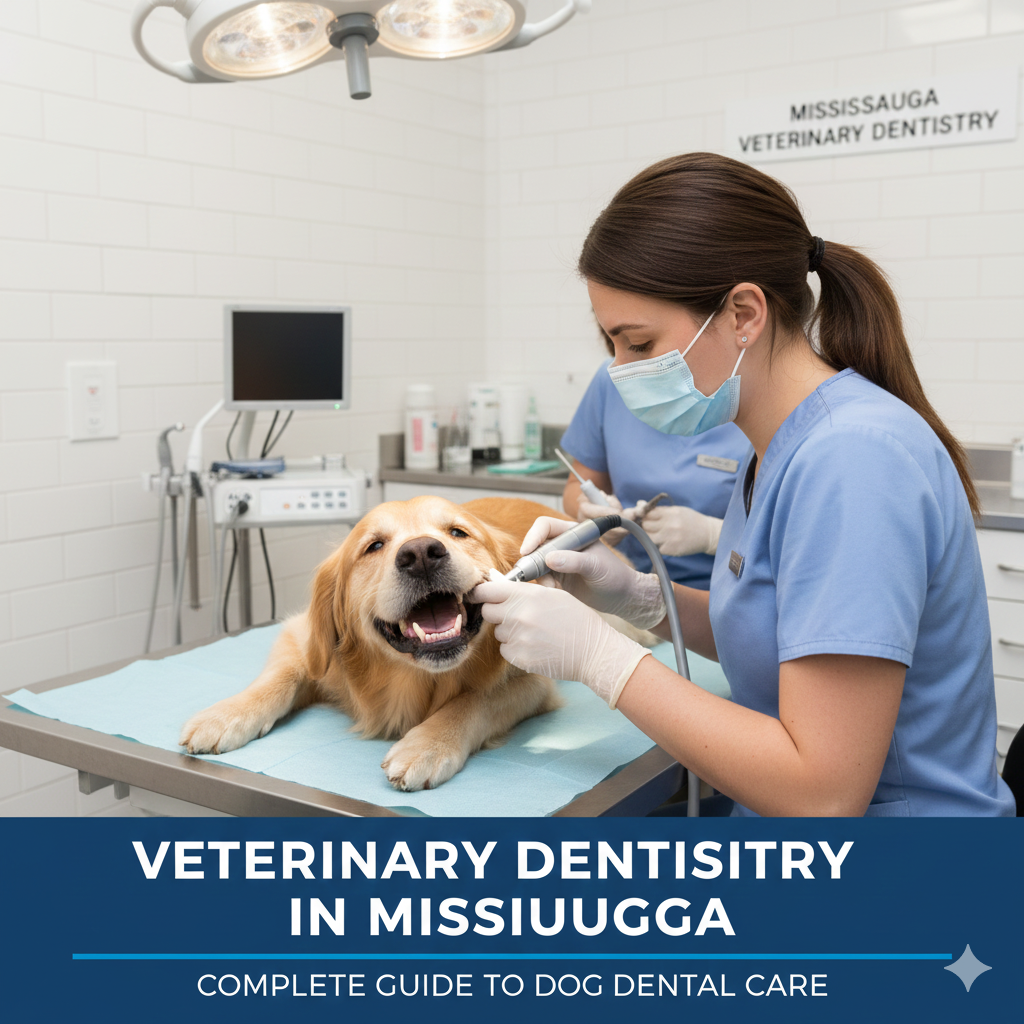
Last week, a client brought in their seven-year-old Labrador for what they thought was a routine checkup. The dog was eating normally, playing fetch, seemingly healthy in every visible way. When we examined his mouth, though, the story changed completely. Advanced periodontal disease had already caused bone loss around several teeth. The owner was shocked. “He never showed any signs of pain,” they told me, bewildered.
This scenario plays out more often than most dog parents realize. Dental disease is one of the most common health problems we see in dogs, yet it frequently goes unnoticed until it’s reached serious stages. Your dog’s stoic nature, combined with their inability to tell you about a toothache, means dental issues often progress silently. That’s where professional veterinary dentistry makes all the difference.
Why Dog Dental Health Matters More Than You Think
When people search for a dog dentist near me or veterinary dentist, they’re usually already dealing with visible problems. Maybe they’ve noticed bad breath that’s gotten progressively worse. Perhaps their dog dropped a kibble piece and they spotted a dark, discolored tooth. Sometimes a dog starts pawing at their mouth or eating more slowly than usual.
But dental disease starts long before these obvious signs appear. It begins with plaque, that sticky film of bacteria that forms on teeth after eating. Within 24 to 48 hours, plaque hardens into tartar or calculus. Once tartar forms, it provides a rough surface for more plaque to accumulate, creating a vicious cycle.
The real danger isn’t just cosmetic. Bacteria from dental disease enter the bloodstream through inflamed gums. These bacteria travel to major organs including the heart, liver, and kidneys. Studies have documented connections between severe periodontal disease and various systemic health problems. The mouth-body connection is real, and it’s significant.
Small breed dogs face particularly high risk. Yorkies, Chihuahuas, Dachshunds, and similar breeds often have crowded teeth that trap food particles and promote plaque buildup. By age three, most dogs show some signs of dental disease. By middle age, many have significant issues that impact their quality of life.
Recognizing the Warning Signs
Your dog won’t complain about dental pain the way humans do. They evolved to hide weakness, so even severe dental disease might not stop them from eating. But subtle changes often tell the story if you know what to watch for.
Bad breath is the most obvious indicator, though many people dismiss it as normal dog breath. While dogs don’t have minty-fresh breath naturally, a healthy mouth shouldn’t smell offensive. That strong, foul odor is bacteria at work. If you can smell your dog’s breath from across the room, something’s wrong.
Behavioral changes around mealtime deserve attention. Does your dog hesitate before eating? Drop kibble from their mouth? Chew only on one side? Prefer wet food suddenly when they’ve always eaten dry? These adaptations suggest oral discomfort.
Visible tartar appears as brownish-yellow buildup on teeth, especially near the gum line. Red, swollen, or bleeding gums indicate inflammation. Loose teeth, fractured teeth, or obvious decay are clear problems, but they represent advanced disease.
Some dogs paw at their mouth, rub their face on the floor, or show reluctance to have their head touched. Reduced playfulness, irritability, or changes in grooming habits might also stem from dental pain. Remember that client’s Labrador? He’d been showing decreased interest in chew toys for months. The owner thought he was just growing out of that phase. Turned out painful teeth made chewing uncomfortable.
What Happens During a Professional Dental Examination
When you visit a veterinary dental clinic, the examination process tells us exactly what’s happening in your dog’s mouth. A thorough oral exam is actually part of regular wellness and preventive care visits, but awake examinations have limitations.
During a conscious exam, we check for obvious tartar, inflamed gums, broken teeth, and masses. We palpate lymph nodes beneath the jaw for enlargement that might indicate infection. But dogs won’t tolerate having every tooth individually examined, gum pockets measured, or tissues thoroughly evaluated while awake.
This is why comprehensive dental care requires anesthesia. Many dog parents worry about putting their pet under for “just a teeth cleaning,” but anesthesia serves crucial purposes. It allows complete examination including the inner surfaces of teeth, below the gum line where disease often hides, and x-rays to evaluate tooth roots and bone.
Before any anesthetic procedure, we perform in-house diagnostics including bloodwork to ensure your dog is healthy enough for anesthesia. Pre-anesthetic testing identifies conditions that might affect anesthesia safety or recovery.
The Professional Dental Cleaning Process
Finding the best dog dentist involves understanding what quality care looks like. Not all dental cleanings are equal, and the differences matter significantly.
At Dixie Animal Hospital, our dentistry services follow comprehensive protocols designed to thoroughly address dental disease while prioritizing your dog’s safety and comfort.
Before the Procedure
Your dog arrives in the morning after fasting overnight. We review your concerns, discuss any questions, and finalize consent forms. Pre-anesthetic medications help your dog relax while providing early pain control. An intravenous catheter is placed for fluid therapy and medication delivery.
Once your dog is comfortably under anesthesia, the real work begins. Continuous monitoring of heart rate, respiratory rate, blood pressure, oxygen saturation, and temperature happens throughout the procedure. A dedicated technician focuses solely on anesthesia while the veterinary dentist works on teeth.
Scaling and Polishing
The cleaning starts with scaling to remove tartar from visible tooth surfaces. Both hand instruments and ultrasonic scalers remove deposits above and below the gum line. This subgingival cleaning is critical because bacteria hiding below gums cause the most damage.
After scaling, each tooth is polished. People sometimes wonder why polishing matters if teeth are already clean. Scaling leaves microscopic roughness on tooth enamel. Polishing smooths the surface, making it harder for plaque to reaccumulate quickly.
Dental X-Rays
Here’s where many facilities differ. Comprehensive animal dental care includes full-mouth radiographs. Over 60 percent of dental disease occurs below the gum line, invisible during visual examination. X-rays reveal tooth root abscesses, bone loss, retained roots, and other problems that change treatment plans.
Some clinics skip radiographs to save time or reduce costs. This seems penny-wise but pound-foolish. Leaving diseased teeth in place because you can’t see the problems defeats the purpose of dental care.
Treatment Planning
Based on examination and x-ray findings, we determine which teeth need extraction, if any. Extractions aren’t something we take lightly. Every effort is made to save teeth when possible. But teeth with severe bone loss, fractured roots, or deep root abscesses can’t be saved and cause ongoing pain if left in place.
Extraction techniques vary by tooth type. Simple extractions involve loosening the tooth and removing it intact. Surgical extractions require creating a flap in the gum, potentially sectioning multi-rooted teeth, and removing bone to access roots. All extraction sites are sutured closed and treated with local anesthetics for post-operative comfort.
Recovery and Discharge
Your dog wakes up gradually in our recovery area under close observation. We manage any discomfort immediately and ensure stability before discharge. Most dogs go home the same day with detailed aftercare instructions and appropriate pain medication.
Common Dental Procedures Beyond Routine Cleaning
Sometimes a dog dentist encounters problems requiring specialized treatment beyond standard prophylaxis.
Tooth Extractions
We’ve touched on this, but it’s worth emphasizing that extractions are therapeutic, not punitive. A painful, infected tooth doesn’t serve your dog. Removing it eliminates chronic pain and infection. Dogs adapt remarkably well to missing teeth, even multiple extractions. They’ll eat normally within days, usually more comfortably than they did with diseased teeth.
Treatment for Fractured Teeth
Dogs fracture teeth chewing on hard objects like bones, antlers, ice cubes, or rocks. The upper fourth premolar, the large tooth toward the back of the mouth, fractures most commonly. When a fracture exposes the pulp cavity, bacteria enter and infection develops.
Treatment options include extraction or root canal therapy. Root canals save the tooth structure while removing infected pulp. This procedure requires specialized training and equipment. Many veterinary dentists perform root canals, though some cases require referral to a veterinary dental specialist.
Treating Oral Masses
Lumps in the mouth need evaluation. Some are benign growths like epulides that grow from gum tissue. Others are malignant tumors requiring aggressive treatment. Biopsy during dental procedures helps identify concerning masses early when treatment options are best.
Periodontal Surgery
Advanced periodontal disease sometimes responds to surgical intervention. Procedures like guided tissue regeneration or bone grafting can help in select cases, though these specialized techniques aren’t necessary for most patients.
Home Dental Care: Your Role Between Professional Cleanings
Professional care from a vet dentist provides the foundation, but home care determines how long results last. Think of it like getting your carpets professionally cleaned then never vacuuming. They’ll get dirty quickly without maintenance.
Toothbrushing: The Gold Standard
Daily toothbrushing is the single most effective home care method. It mechanically removes plaque before it hardens into tartar. Yes, brushing your dog’s teeth sounds ambitious. Many people never attempt it. But it’s genuinely doable with patience and proper technique.
Start gradually. Let your dog taste the pet toothpaste (never use human toothpaste, which contains ingredients toxic to dogs). Touch their lips and gums gently. Progress to rubbing a finger along the outer tooth surfaces. Eventually introduce a soft-bristled brush or finger brush.
Focus on outer surfaces where tartar accumulates most heavily. The tongue naturally cleans inner surfaces. Thirty seconds of brushing is better than nothing. Two minutes covering all teeth is ideal, but perfection is the enemy of good. Do what your dog tolerates and build from there.
Dental Chews and Treats
Various products claim dental benefits. The Veterinary Oral Health Council (VOHC) maintains a list of products proven to reduce plaque and tartar. Look for their seal of acceptance when choosing products.
Dental chews work through mechanical abrasion as your dog chews. The effectiveness varies by product and how thoroughly your dog chews versus gulps. They’re not substitutes for brushing but provide supplemental benefit.
Avoid extremely hard objects. Bones, antlers, nylon toys, ice cubes, and rocks cause more fractured teeth than any dental benefit they might provide. A good rule of thumb: if you can’t indent it with your thumbnail, it’s too hard for dog teeth.
Water Additives and Dental Diets
Dental water additives claim to reduce bacteria in the mouth. Evidence for their effectiveness is mixed. Some dogs refuse water that tastes different, which defeats the purpose. They’re not harmful but shouldn’t replace mechanical cleaning.
Prescription dental diets have larger kibble designed to provide mild abrasive action when chewed. Some contain ingredients that affect tartar formation. These diets help but work best combined with other home care methods.
What About Anesthesia-Free Dental Cleanings?
You might see advertisements for non-anesthetic dental cleanings performed by technicians while dogs are awake. These services have appeal since they avoid anesthesia. However, professional veterinary organizations strongly discourage them.
Without anesthesia, only visible surfaces above the gum line get cleaned. Disease below the gum line, where it matters most, remains untreated. The dog experiences stress and fear during the procedure. No x-rays can be taken to identify hidden problems. It provides a cosmetic improvement while leaving actual disease untreated and creates false reassurance that dental care has been addressed.
Age-Specific Dental Considerations
Dental needs change throughout your dog’s life, much like how senior pet care addresses age-related health changes.
Puppies and Young Dogs
Puppies lose baby teeth between three and seven months of age. Occasionally, a baby tooth doesn’t fall out before the adult tooth erupts. These retained deciduous teeth can cause crowding and increase dental disease risk. Your veterinarian checks for this during puppy visits.
Starting dental home care early establishes good habits for life. Young dogs tolerate training for toothbrushing better than trying to start when they’re older.
Adult Dogs
Regular professional cleanings typically begin between one and three years of age, depending on breed and individual factors. Small breeds often need earlier and more frequent cleanings than large breeds. Your veterinarian recommends a schedule based on your specific dog.
Senior Dogs
Older dogs often have significant dental disease from years of accumulated damage. Some dog parents worry about anesthesia risk in seniors. While age itself isn’t a disease, older dogs may have conditions affecting anesthesia. This is why pre-anesthetic testing matters more as dogs age.
The discomfort from dental disease often outweighs anesthetic risk in senior dogs. We’ve seen remarkable transformations when painful, infected teeth are removed from elderly dogs. Owners report increased activity, better appetite, and improved quality of life. The dogs act years younger once they’re pain-free.
Modern anesthesia protocols and monitoring make procedures safer than ever. We adjust protocols for individual needs and work with you to make informed decisions about your senior dog’s care.
Comparing Your Options for Animal Dental Care
When searching for dog dentist Toronto or veterinary dental services in Mississauga, several options exist. Understanding differences helps you choose wisely.
General Practice Veterinary Clinics vs. Dental Specialists
Most routine dental care happens in general practice veterinary clinics like ours. We handle cleanings, extractions, and common dental procedures. For complex cases requiring advanced procedures like root canals or jaw fracture repair, we may recommend a board-certified veterinary dental specialist.
This parallels human dentistry where general dentists handle most needs while referring complex cases to endodontists or oral surgeons. You don’t need a specialist for routine care, but it’s reassuring to know that pathway exists when necessary.
Factors That Define Quality Care
Not all animal clinic near me options provide identical service. Quality indicators include pre-anesthetic testing, proper anesthetic monitoring, complete oral examination under anesthesia, full-mouth radiographs, and comprehensive treatment including subgingival scaling.
Ask questions before scheduling. What does the dental procedure include? Are x-rays standard or optional? Who monitors anesthesia during the procedure? What pain medication goes home? Reputable practices welcome these questions and provide clear answers.
The Convenience Factor
Dental procedures require time. Most dogs are at the clinic for several hours. At Dixie Animal Hospital, our extended hours (8am to midnight, seven days a week including weekends and holidays) make scheduling more flexible. We understand that taking time off work isn’t always feasible, and dental care shouldn’t be postponed because of scheduling conflicts.
Located at 1760 Dundas St E in Mississauga, we’re accessible throughout the region. If you have concerns after bringing your dog home, our hours mean you can call (905) 270-5444 and reach us directly rather than scrambling to find emergency services.
Frequently Asked Questions About Dog Dental Care
-
How often does my dog need professional dental cleaning?
It varies. Small breeds might need annual cleanings. Larger dogs with good home care might go two to three years between procedures. Your veterinarian recommends frequency based on your dog’s oral examination findings.
-
Is anesthesia really necessary?
Yes, for proper cleaning and examination. Awake cleanings only address superficial tartar while leaving disease-causing bacteria below the gum line. Anesthesia also eliminates stress for your dog and allows x-rays to identify hidden problems.
-
My dog is older. Is anesthesia safe?
Age alone doesn’t prohibit anesthesia. Pre-anesthetic testing identifies concerns, and protocols are tailored to your dog’s health status. Many senior dogs benefit tremendously from dental care that eliminates chronic pain and infection.
-
Will my dog eat normally after teeth are extracted?
Yes. Dogs adapt quickly to missing teeth. They’ll be back to regular eating within days, usually more comfortably than before extraction. We send pain medication home and provide feeding recommendations during initial recovery.
-
Can I brush my dog’s teeth with human toothpaste?
Never. Human toothpaste contains xylitol and fluoride, both toxic to dogs. Use toothpaste formulated specifically for pets. It comes in flavors like poultry or beef that dogs find appealing.
-
What causes dental disease in dogs?
The primary cause is plaque accumulation from bacteria. Contributing factors include genetics, diet, chewing habits, and home dental care. Some breeds are predisposed to dental problems regardless of care.
-
Why does dog dental care seem expensive?
The procedure requires general anesthesia with monitoring, x-rays, professional cleaning, examination, and potential treatments. It’s actually comprehensive surgical services requiring significant time, equipment, and expertise. The investment prevents costly problems later while eliminating pain and improving health.
Why Pet Owners Choose Dixie Animal Hospital for Veterinary Dentistry
Finding a veterinary dentist you trust matters enormously. Your dog’s dental health affects their overall wellbeing, and the quality of care varies significantly between facilities.
We’ve built our dentistry practice on comprehensive protocols that don’t cut corners. Full-mouth radiographs are standard, not optional. Pre-anesthetic testing ensures safety. Continuous monitoring protects your dog throughout the procedure. Appropriate pain management keeps them comfortable during recovery.
Our team has performed thousands of dental procedures across every breed and age. Experience matters when complications arise or unexpected findings require quick decisions during surgery. We’ve seen everything from routine cleanings to severe infections requiring extensive extractions, and we handle each case with the same careful attention.
The investment in modern dental equipment allows us to provide care that meets current standards. Digital radiography, ultrasonic scalers, high-speed drills for extractions, and proper sterilization equipment aren’t luxuries; they’re necessities for quality dentistry.
Communication throughout the process helps you feel informed and confident. Before the procedure, we discuss findings from the oral exam and explain what to expect. During the procedure, we call with updates if we discover problems requiring additional treatment. At discharge, you receive written instructions and understand exactly how to care for your dog at home.
Our location at Dixie Animal Hospital in Mississauga makes us accessible throughout the region. More importantly, our extended hours provide peace of mind. Questions about your dog’s recovery don’t wait for business hours. Call us at (905) 270-5444 any day of the week, 8am to midnight, including holidays. You can also reach us at petcare@dixieanimalhospital.ca for non-urgent questions.
Taking the Next Step for Your Dog’s Dental Health
Dental disease is progressive. It doesn’t improve on its own, and waiting makes treatment more complex, more costly, and less comfortable for your dog. The good news is that addressing dental problems transforms quality of life remarkably.
If your dog hasn’t had a dental examination recently, or if you’ve noticed any warning signs, now is the time to act. Schedule a consultation to have their teeth evaluated. We’ll examine the mouth, discuss findings, and recommend a care plan tailored to your dog’s specific needs.
For dogs needing professional cleaning or treatment, we’ll walk you through the process from pre-anesthetic testing through recovery. You’ll know exactly what to expect and feel confident in the care your companion receives.
Home dental care support is part of our service. We teach toothbrushing techniques, recommend appropriate products, and answer questions about maintaining oral health between professional cleanings. Your success with home care directly impacts how often your dog needs professional procedures.
Your dog depends on you to recognize and address health problems they can’t communicate. Dental disease affects millions of dogs, causing chronic pain that diminishes their quality of life. Professional veterinary dentistry eliminates that pain, prevents serious health complications, and helps your companion enjoy their favorite activities without discomfort.
Contact us today to schedule a dental examination or discuss your concerns about your dog’s oral health. Call (905) 270-5444 or visit us at 1760 Dundas St E in Mississauga. Together, we’ll create a dental care plan that keeps your dog healthy, comfortable, and smiling for years to come.