
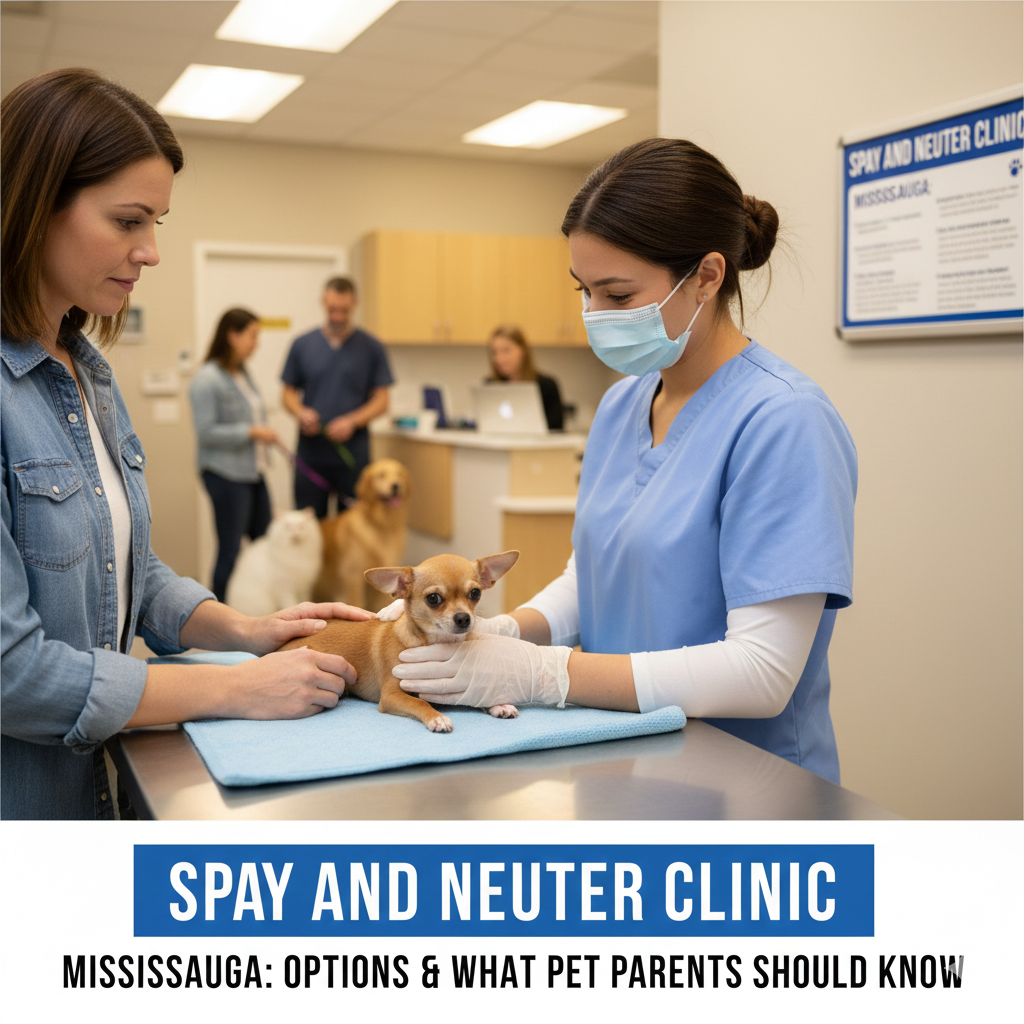
The conversation usually starts the same way. You’ve just brought home an adorable puppy or kitten, and your veterinarian mentions scheduling a spay or neuter procedure. If you’re a first-time pet parent, the recommendation might catch you off guard. Questions immediately surface: What exactly does this involve? When should it happen? How will my pet change afterward?
These concerns are completely normal. At Dixie Animal Hospital, we’ve guided thousands of Mississauga families through this decision over the years. The procedure has become so routine in veterinary medicine that sometimes we forget how daunting it can feel when it’s your companion on the surgical table. Let’s walk through everything you need to know about finding the right spay and neuter clinic and making informed choices for your pet.
Understanding the Basics: What is Spay Neuter?
Before diving into specifics, let’s clarify the terminology that sometimes confuses people.
Spaying refers to the surgical sterilization of female animals. The technical term is ovariohysterectomy, which means removing the ovaries and usually the uterus. Some veterinarians perform an ovariectomy instead, removing just the ovaries. Both methods prevent pregnancy and eliminate heat cycles.
Neutering technically applies to sterilizing males through removal of the testicles, called castration. However, you’ll often hear people use “neutering” as a catch-all term for sterilizing either sex. Don’t worry about the terminology confusion. When you call an animal spay neuter clinic, they’ll know exactly what procedure your pet needs based on their sex.
The what is the difference between spay and neuter question really boils down to female versus male procedures. Both achieve sterilization, but the surgeries differ significantly in technique and recovery time. Spaying involves entering the abdominal cavity, making it slightly more invasive than neutering. Male procedures are generally quicker with faster recovery, though both are considered routine surgeries with excellent safety records.
Why Veterinarians Recommend These Procedures
The recommendation to spay or neuter isn’t arbitrary. Decades of research and clinical experience back up the health and behavioral benefits.
Health Advantages That Matter
For female pets, spaying before the first heat cycle dramatically reduces the risk of mammary tumors, which can be malignant in dogs and cats. It completely eliminates the possibility of pyometra, a life-threatening uterine infection that affects many unspayed older females. We’ve performed emergency surgeries on desperately ill pets suffering from pyometra, and it’s heartbreaking because the condition is entirely preventable.
Male pets benefit too. Neutering eliminates testicular cancer risk and reduces prostate problems as dogs age. The behavioral improvements often surprise pet parents who weren’t expecting such noticeable changes.
Behavioral Benefits You’ll Actually Notice
Intact male dogs frequently roam, driven by the urge to find mates. This instinct leads them to escape yards, ignore recall commands, and put themselves in dangerous situations. Neutering significantly reduces these tendencies, though it doesn’t turn every dog into a perfectly obedient companion overnight.
Urine marking drives many pet parents to seek neutering services. That pungent smell of intact male cat urine is unforgettable, and not in a good way. Male dogs marking furniture and walls create similar frustrations. While neutering doesn’t always eliminate marking completely, especially if the behavior is well-established, it reduces frequency and intensity considerably.
Aggression toward other male animals often decreases after neutering. Your dog might still prefer certain canine friends over others, but the intense posturing and fighting triggered by reproductive hormones typically mellens.
The Community Impact
Beyond individual pet health, spay and neuter programs address pet overpopulation. Shelters across Ontario euthanize thousands of healthy animals annually simply because not enough homes exist. One unspayed female cat and her offspring can theoretically produce over 370,000 cats in seven years. Those numbers sound exaggerated until you work in veterinary medicine and see the reality.
When you choose to spay or neuter your pet, you’re making a decision that ripples beyond your household. You’re preventing accidental litters, reducing shelter intake, and contributing to healthier pet populations overall.
Timing: When Should You Schedule the Procedure?
This question generates more debate among veterinarians than you might expect. Traditional recommendations suggested spaying and neutering around six months of age. Recent research has complicated the picture, particularly for certain dog breeds.
Traditional Timeline
Most veterinarians, including our team at Dixie Animal Hospital, still recommend spaying and neutering between five and seven months for the majority of pets. This timing prevents unwanted litters while allowing adequate physical development.
Cats can be spayed or neutered as early as eight weeks old if they’re healthy and weigh at least two pounds. Many shelters perform “pediatric” spay and neuter before adoption to ensure the procedures happen. There’s solid research supporting early-age sterilization in cats without significant health drawbacks.
Breed-Specific Considerations
Large and giant breed dogs may benefit from waiting longer. Some studies suggest delaying sterilization in breeds like Golden Retrievers, Labrador Retrievers, and German Shepherds until they’ve reached skeletal maturity. The research focuses on orthopedic disease risk and certain cancers, though the findings remain somewhat controversial within veterinary medicine.
During your wellness and preventive care visit, we discuss your specific pet’s breed, size, and health status to recommend optimal timing. There’s rarely one-size-fits-all answer, especially with dogs.
Medical Reasons for Earlier or Later Surgery
Sometimes health concerns dictate timing. A young female experiencing false pregnancy symptoms might need earlier spaying. A cryptorchid male, where one or both testicles haven’t descended properly, requires neutering because retained testicles carry high cancer risk.
Behavioral emergencies occasionally warrant earlier intervention. A six-month-old male cat spraying throughout the house creates urgent quality-of-life issues. An adolescent male dog showing serious aggression toward other males might benefit from earlier neutering as part of a comprehensive behavior modification plan.
What to Look for in a Spay Neuter Clinic
Not all veterinary facilities offer identical standards of care. When searching for a spay neuter clinic near me, several factors deserve consideration.
Anesthesia Protocols and Monitoring
Modern anesthesia is remarkably safe, but protocols matter. Your chosen clinic should perform pre-surgical bloodwork through in-house diagnostics or reference laboratory testing to identify any underlying health issues that might affect anesthesia.
During surgery, continuous monitoring of vital signs is non-negotiable. Heart rate, respiratory rate, blood pressure, oxygen saturation, and body temperature should be tracked throughout the procedure. A dedicated technician focused on anesthesia monitoring while the surgeon operates provides optimal safety.
Ask about the anesthesia medications used. Newer protocols cause less stress on organs and allow smoother recovery compared to older agents. Your pet’s age, species, and health status should factor into the anesthetic plan.
Pain Management Philosophy
Pain management has evolved dramatically in veterinary medicine. Gone are the days when animals simply had to tough it out after surgery. Comprehensive pain control should include pre-emptive medications before surgery begins, local anesthetics during the procedure, and appropriate pain medication to go home.
Some facilities still take a minimalist approach to pain management, especially for routine procedures. This outdated thinking does pets a disservice. Pain-free animals heal faster, experience less stress, and return to normal behavior sooner.
Surgical Technique and Sterility
Surgical services should be performed in a proper surgical suite with appropriate sterility standards. The surgeon should wear sterile gloves and gown. Instruments must be properly sterilized. The surgical site gets clipped and scrubbed with antiseptic solution.
Some high-volume, low-cost clinics prioritize speed over some of these protocols. While their intentions regarding pet overpopulation are good, individual animals deserve the same careful attention whether the facility is high-volume or not.
Post-Operative Care and Support
What happens after surgery matters enormously. Your clinic should provide clear discharge instructions, adequate pain medication, and accessible follow-up care. Being able to call with questions or concerns shouldn’t be difficult.
This is where our extended hours at Dixie Veterinary Clinic make a real difference. We’re open from 8am to midnight, seven days a week, including weekends and holidays. When you’re worried about your pet’s incision at 9pm on a Saturday, you can call (905) 270-5444 and reach us immediately. You don’t need an emergency vet near me open now search because we’re already here.
The Procedure: What Actually Happens
Understanding the process often eases anxiety. Here’s what happens when you choose spay and neuter surgery at our neuter and spay clinic.
Pre-Surgical Preparation
You’ll receive instructions about fasting the night before surgery. Generally, no food after midnight, though water is permitted until a few hours before drop-off. These restrictions prevent complications from vomiting during anesthesia.
Morning drop-off typically occurs between 8am and 9am. We review consent forms, confirm your contact information, and answer any last-minute questions. Your pet receives a complete physical examination to ensure they’re healthy enough for anesthesia.
An intravenous catheter gets placed, providing access for fluid therapy and emergency medications if needed. Pre-anesthetic medications help your pet relax and provide early pain control. Some pets barely remember the experience afterward, which is exactly the goal.
During Surgery
Once your pet is safely under anesthesia, the surgical site gets carefully prepared. For spaying, the abdomen is shaved and scrubbed. For neutering, the scrotal area receives the same treatment. Multiple layers of antiseptic solution ensure sterility.
The surgeon makes a precise incision. In spays, the reproductive organs are carefully isolated, blood vessels are properly ligated (tied off) or sealed, and ovaries and uterus are removed. The incision is closed in layers with dissolvable sutures under the skin.
Neutering is more straightforward. An incision is made, testicles are removed after properly ligating the blood vessels and spermatic cord, and the incision is closed. Most male cats don’t even need skin sutures because the incision is so small.
Throughout the procedure, the anesthesia technician monitors your pet constantly and adjusts medications as needed to maintain the perfect plane of anesthesia.
Recovery and Going Home
Your pet wakes up in our recovery area under close observation. We monitor vital signs, ensure they’re warm and comfortable, and manage any post-operative nausea or discomfort. Once stable, we call you with an update.
Most pets go home the same day. At discharge, we review detailed instructions covering medication administration, activity restrictions, incision monitoring, and when to call if you’re concerned. We want you to feel confident providing home care.
Males typically recover faster than females. Many male cats act almost normal by the next day. Female dogs might need several days before they’re back to their usual selves. Every pet is different, and we provide realistic expectations based on your specific companion.
Recovery at Home: The First Two Weeks
The recovery period challenges many pet parents. Your normally energetic dog suddenly needs enforced rest. Your cat wants to jump on furniture when that’s exactly what they shouldn’t do.
Activity Restriction
The biggest challenge is limiting activity. No running, jumping, rough play, or stairs if possible. This restriction typically lasts 10-14 days, sometimes longer for spays. Young, active pets make this particularly difficult.
Short, leashed bathroom walks are fine for dogs. Keep them beside you with a treat lure if needed. Cats should stay confined to one room if they’re prone to acrobatics. This might mean borrowing a large dog crate or setting up a sanctuary in your bathroom.
Mental stimulation helps. Puzzle feeders, training sessions for simple commands, and gentle interactive play keep minds engaged without physical exertion. A tired brain often leads to a calmer pet.
Incision Care
Check the incision twice daily. Normal healing includes slight redness right at the incision line and possible minor swelling. Concerning signs include significant swelling, discharge, excessive redness spreading from the incision, bad smell, or the incision coming apart.
The biggest enemy of healing incisions is licking. Pets instinctively lick wounds, which introduces bacteria and can pull sutures loose. Most pets go home with an Elizabethan collar (cone) for this reason. Yes, they hate it. Yes, it’s necessary.
Some pet parents try alternatives like surgical suits or soft collars. These work for some pets but not others. If your pet can still reach the incision, the E-collar goes back on. Better a annoyed pet than an infected incision requiring emergency surgery.
Medication Administration
Give pain medication exactly as prescribed. Don’t skip doses because your pet seems fine. Pain control works best when maintained at steady levels rather than letting pain spike before treating it.
Some pets experience digestive upset from pain medication. Giving it with a small amount of food often helps. If vomiting or diarrhea develops, call us.
Addressing Common Concerns and Myths
Over the years, we’ve heard every worry imaginable about spaying and neutering. Let’s address the most common ones.
-
Will my pet get fat?
Sterilization does slightly reduce metabolic rate. However, pets become overweight from consuming more calories than they burn, not from surgery itself. Adjust portions after surgery and maintain regular exercise as your pet heals. Many pets actually benefit from nutritional counseling to establish healthy eating patterns.
-
Will it change my pet’s personality?
Spaying and neutering modify hormone-driven behaviors like roaming, marking, and certain types of aggression. Your pet’s core personality remains intact. The goofy, affectionate, or independent traits you love won’t disappear. If anything, many pets become calmer and more focused on their families rather than reproductive urges.
-
Shouldn’t females have one litter first?
No medical or psychological benefit comes from allowing a female to have one litter before spaying. This is an old myth that refuses to die. In fact, spaying before the first heat provides maximum health protection.
-
Is it worth finding low cost spay and neuter near me?
Affordability matters, and we respect that veterinary care represents a significant expense for many families. However, be cautious about prioritizing cost above all else. The cheapest option isn’t always the best value if it means compromised pain management, minimal monitoring, or inadequate follow-up care.
Look for quality care at fair pricing rather than simply the lowest dollar amount. Some animal spay neuter clinic locations offering reduced-cost services maintain excellent standards. Others cut corners that matter. Ask questions about their protocols before scheduling.
Additional Services to Consider During Surgery
Since your pet is already under anesthesia, additional procedures can be performed simultaneously. This saves the expense and stress of another anesthetic event later.
Microchipping
Microchipping identification takes seconds to perform while your pet is asleep and won’t feel the placement. It’s the single most effective tool for reuniting lost pets with their families. We routinely offer microchipping during spay and neuter surgery.
Dental Evaluation and Cleaning
For pets approaching adulthood or those showing signs of dental disease, having teeth evaluated and cleaned during the same anesthetic episode makes sense. This particularly applies to small breed dogs prone to dental problems.
Hernia Repair
Umbilical hernias are common in puppies and kittens. If your pet has one, repairing it during spay or neuter surgery is straightforward and prevents potential complications later.
Why Choose Dixie Animal Hospital for Your Pet’s Surgery
Finding the right neuter and spay clinic involves more than proximity. You’re choosing who will care for your companion during a vulnerable time.
Our commitment at our animal spay neuter clinic starts with experience. We’ve performed thousands of these procedures across every breed, age, and health status imaginable. Experience translates into smooth surgeries, quick problem-solving when unexpected situations arise, and refined techniques that minimize tissue trauma.
We invest in quality. Modern anesthetic monitoring equipment, high-quality surgical instruments, and comfortable recovery areas aren’t corners we cut. Your pet deserves the same standard of care whether they’re having routine surgery or a complex procedure.
Location matters too. Situated at 1760 Dundas St E in Mississauga, we’re accessible to families throughout the region. But our hours set us apart. Being open 8am to midnight, seven days a week means scheduling surgery around your work schedule is easier. It also means post-operative questions don’t wait until Monday morning or require an emergency clinic visit.
Communication is foundational to everything we do. When you email petcare@dixieanimalhospital.ca or call with questions, you get clear, honest answers. We explain procedures thoroughly, set realistic expectations, and never make you feel rushed or dismissed.
Making the Decision and Moving Forward
Deciding when and where to spay or neuter your pet is an important responsibility of pet ownership. The procedure offers significant health and behavioral benefits while contributing to broader animal welfare.
Take time to ask questions during your pet’s regular wellness visits. Understand the procedure, recovery expectations, and timing recommendations specific to your companion. Don’t hesitate to discuss concerns about cost, anesthesia safety, or behavioral changes.
When you’re ready to schedule, choosing a facility that prioritizes your pet’s comfort and safety makes all the difference. The cheapest option or the most convenient timing shouldn’t override quality care considerations.
At Dixie Veterinary Clinic, we view spay and neuter surgery as the beginning of a lifelong relationship with your family. This procedure is often your pet’s first major veterinary experience, and we want it to be positive. From pre-surgical consultation through post-operative follow-up, our team is here to support you every step.
If you’re considering spaying or neutering your pet, or if you have questions about the right timing for your specific companion, we’re here to help. Call us at (905) 270-5444 to schedule a consultation or discuss your concerns. Our extended hours and commitment to accessible, quality care mean you don’t have to compromise on either convenience or excellence.
Your pet’s health and wellbeing matter to us as much as they matter to you. Let’s work together to make the best decisions for your companion’s long, healthy life.